


Field Notes With Dāv Kaufman: Wild Boas of the Caribbean
From Hispaniola’s Mountains to Panama’s Pearl Islands
In December 2025, I traveled to the Dominican Republic and across the Caribbean Sea to Panama in search of two distinct and rarely seen boas in the wild.
The Mountains of Hispaniola
In the Dominican Republic, we explored the central mountain range looking for the largest boa species on the island, the Dominican Mountain Boa, formerly known as the Haitian Boa. It is one of four boa species found on the island.
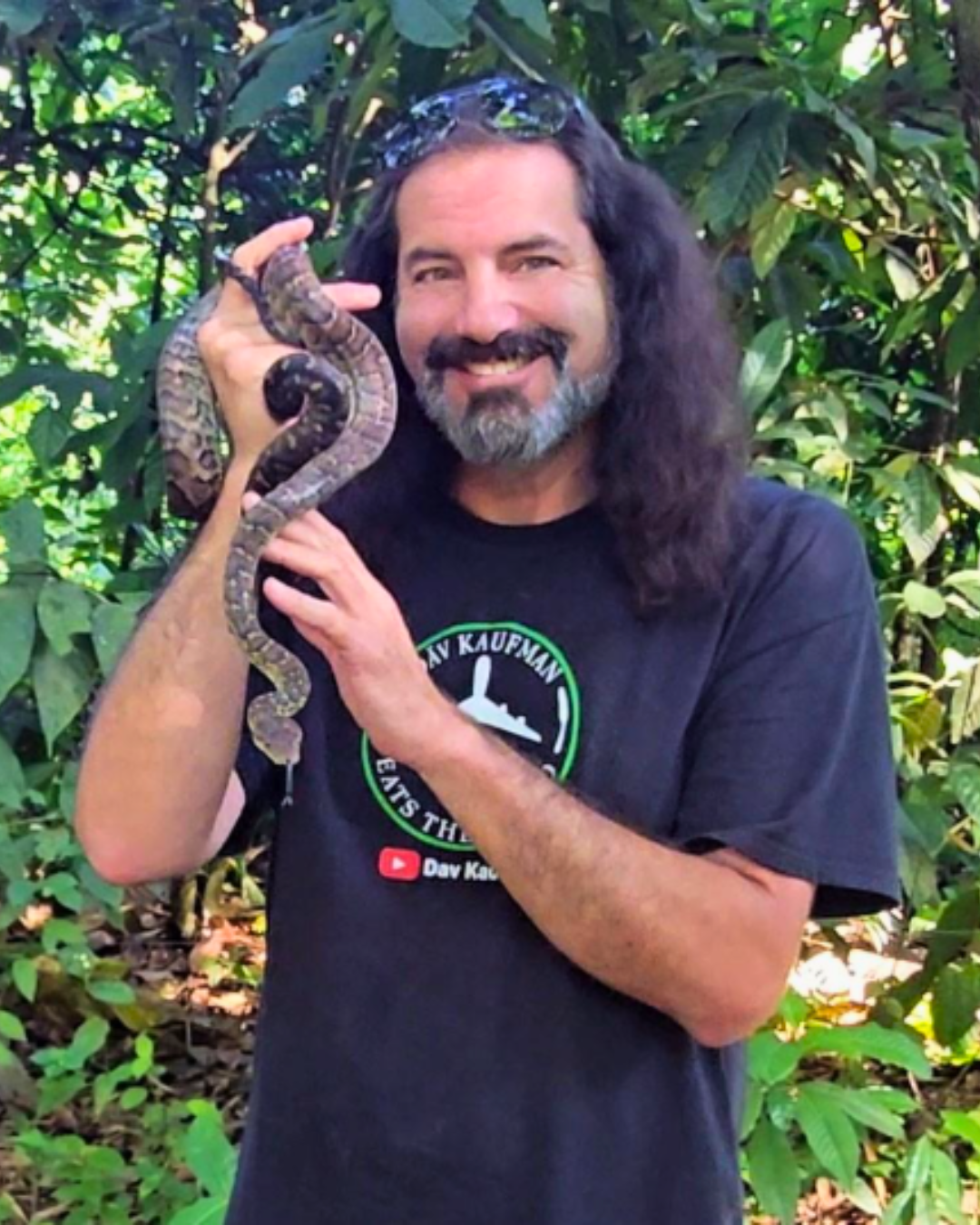
Not only did we find the mountain boa, we found a lot of them. We discovered ten baby mountain boas in various shades of red, along with a wild-type gray adult female. Then, at the very end of our trip, we found what may represent an undocumented natural color variation of the mountain boa that has never been documented in the wild before.
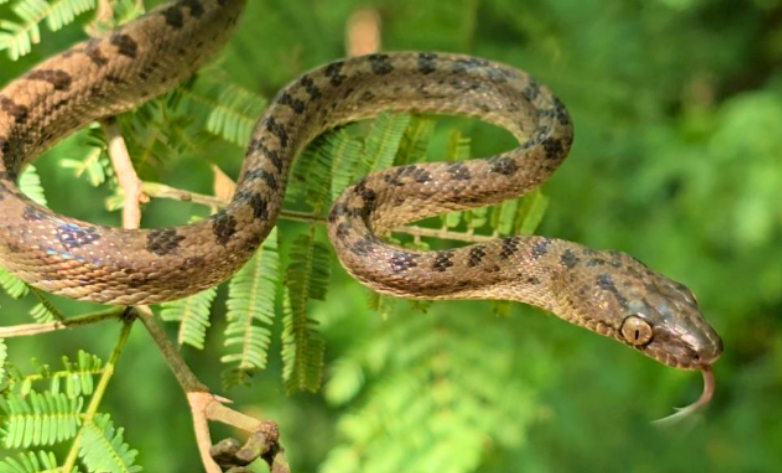
Three Species, One Island
We also located three of the four boa species native to the Dominican Republic, the Hispaniolan Vine Boa and Ford's Boa, the latter being the most common. In fact, we found over twenty Ford's Boas across the island.
More on these boas can be seen here:
Across the Caribbean to the Pearl Islands
Next, it was on to Panama, to a chain of islands off the coast of Panama City known as the Pearl Islands. It took about two hours by boat to reach the island where we stayed, Saboga.
Island varieties of Boa imperator can be found in several locations throughout Central and South America, and each population differs slightly from the next.
Isolation Shapes a Species
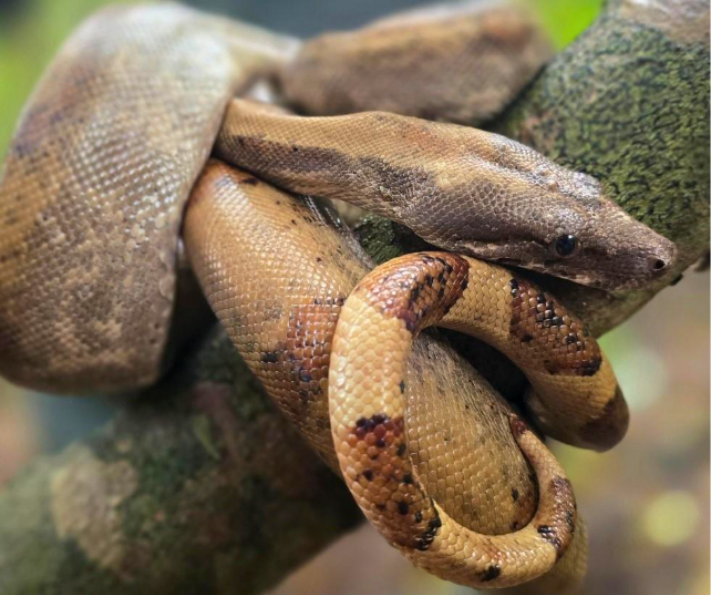
Here in Panama, we searched for and found three Pearl Island Boas, a population known for its muted colors and reduced patterning. Some individuals appear almost patternless.
Into the Thorn Forest
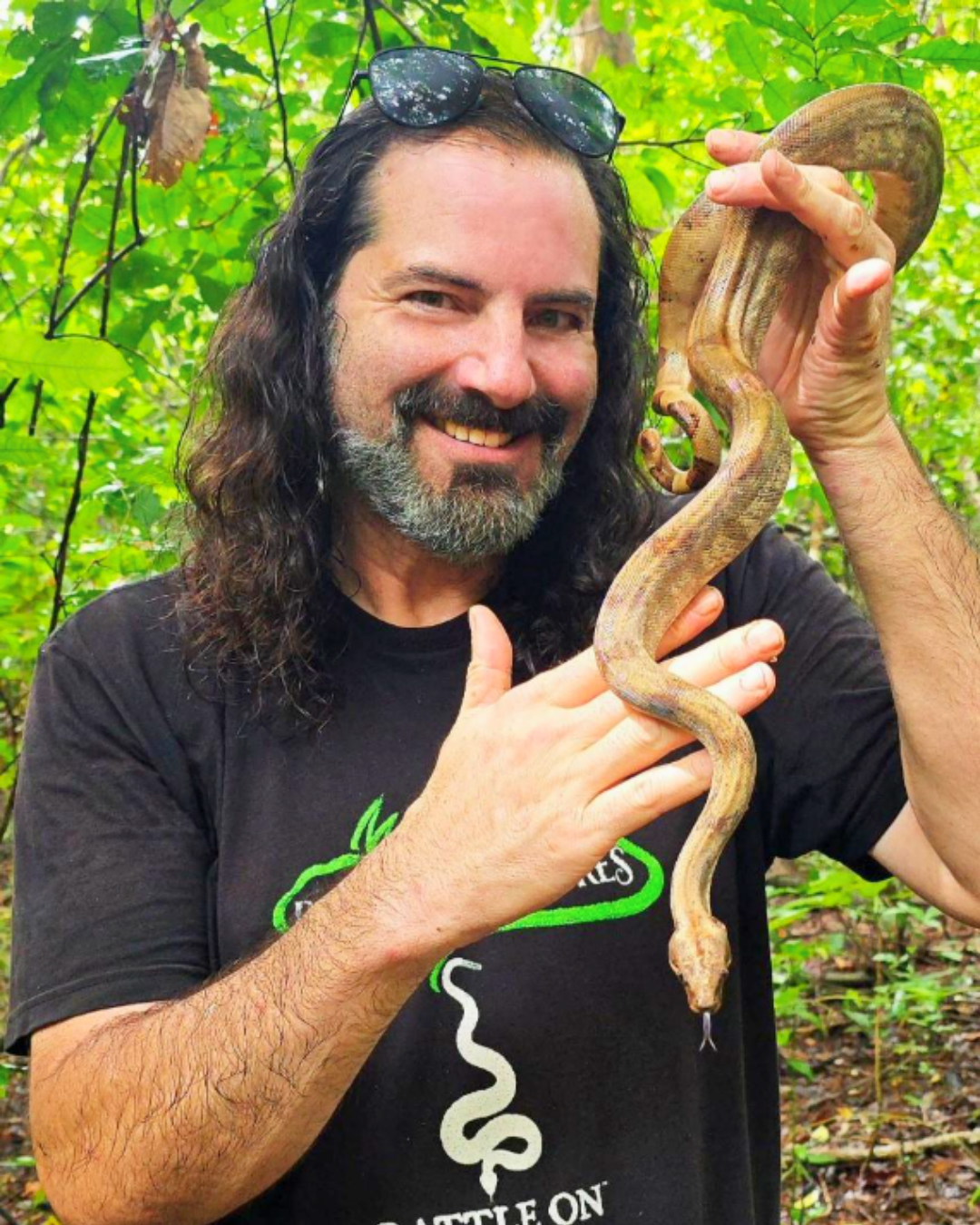
One of the islands we visited was uninhabited and rarely sees human footprints. There were no trails to follow, so we had to make our way through dense forest filled with bushes covered in two-inch thorns.
It was there that we found a boa that had likely never encountered humans before. Interestingly, it was more docile than the boas we found on the more populated island nearby.
More on this boa and what it took to find them can be seen here:
Habitat Threats and Conservation
While encountering these boas in the wild was unforgettable, it also highlighted how fragile their natural habitats can be. Across Hispaniola, expanding agriculture, logging, and development continue to fragment mountain forests that these species depend on.
On small island systems such as Panama's Pearl Islands, habitat loss can have an even greater impact, as isolated populations of Boa imperator have nowhere else to expand. Protecting intact forests and promoting education about native reptiles are essential steps in ensuring these unique regional populations continue to thrive for generations to come.
All observations were conducted in accordance with local wildlife regulations, and animals were left exactly as found. These island populations, in particular, deserve respect and protection due to their limited range.
Field research and observation highlight how important habitat preservation is for these species. Island and mountain populations, especially, rely on intact ecosystems. Responsible reptile keeping begins with understanding and protecting their wild origins. Explore Zilla's full range of reptile habitat products designed to replicate the natural environments these animals call home.
Next Stop: Corn Island
Boa species are found throughout much of the world, but the ones we know best, the Red-Tailed Boa, Boa constrictor, and the Common Boa, Boa imperator, are native only from Mexico south into South America.
I intend to visit as many locations as possible where they occur, showcasing the differences in how boas from specific regions look and how they live in the wild. Understanding wild populations also informs best practices for reptile care and husbandry — from appropriate enclosure sizing to the right lighting and heating setups that replicate natural conditions.
Next stop, Corn Island in Nicaragua.
Happy Herping!
Dāv Kaufman
